
Who is at Risk?
Getting older
The risk of delirium goes up with age.
People 65 years and older are at a much higher risk.
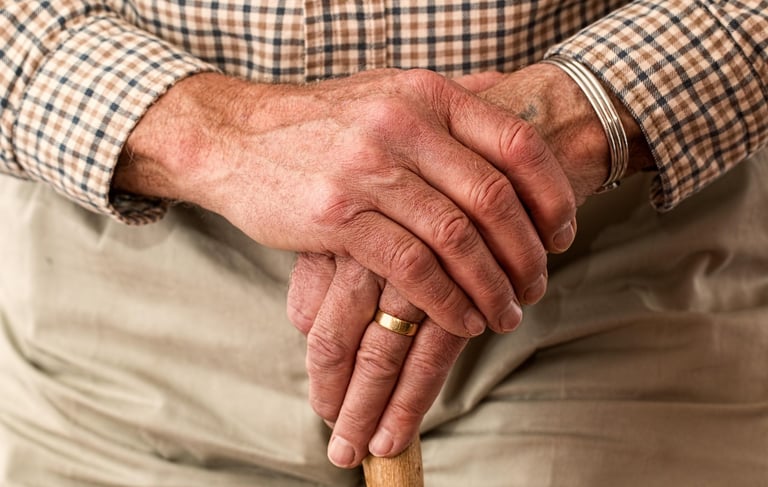
Memory or thinking difficulties
It is more likely if you already have trouble with memory or thinking, such as mild cognitive impairment, dementia, or a past stroke or head injury.


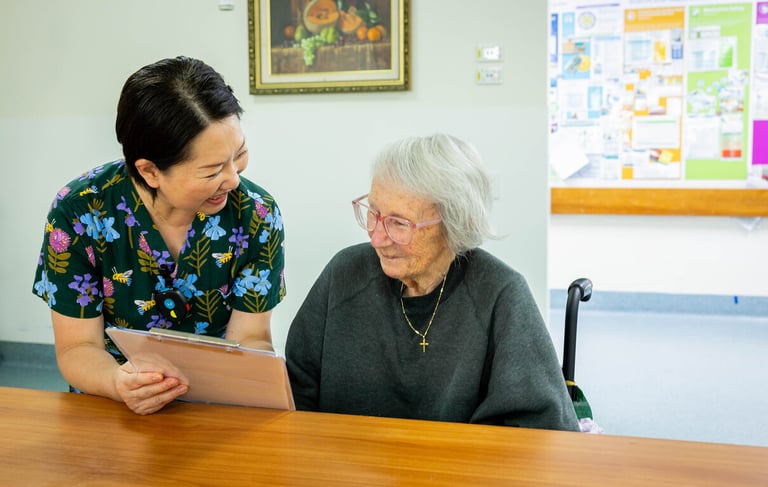
Photograph by Tricia King for Picture Yourself (CC BY-NC)
Trouble seeing or hearing
Poor vision or hearing raises the risk of delirium. Wearing glasses and hearing aids can help lower it.


Illness and infection
Any infection can increase the risk of having delirium. The more serious the infection, the higher the risk.
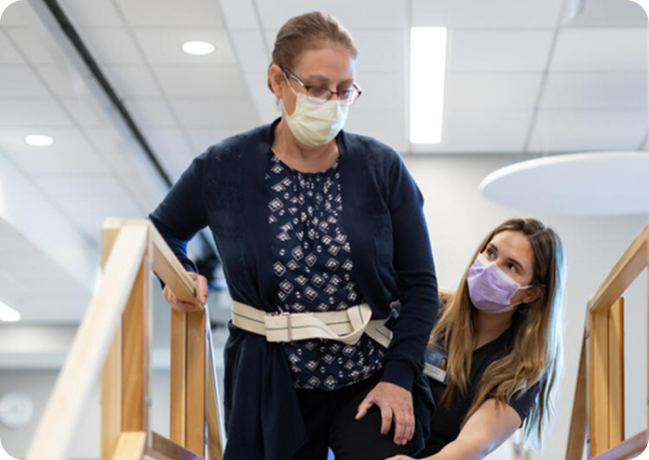
Several medical conditions
Having more than one medical condition (like diabetes or cancer), having surgery, or using tobacco or alcohol all increase the risk of delirium.


Taking 5 or more medicines
Taking several medications at once can increase the risk of delirium. If you are worried about medications you or someone you know is taking, ask a pharmacist or doctor for a medication review.
Change in environment
Extreme heat or cold can increase the risk of delirium. So can moving to a new home, or going into hospital.
When it is hot, remember to drink fluids.


Photograph by Ty Fox for Picture Yourself (CC BY-NC)
Clearer Days Delirium Support
Disclaimer
The information on this website is educational only and not medical advice.
© 2026. All rights reserved.





First Nations Australian Resources
LGBTQI+ Resources
Acknowledgement of Country
Clearer Days Delirium Support acknowledges the Traditional Custodians of the lands around Australia where it was developed and pay our respects to Elders past and present.